Paul Connor: Ocean
-
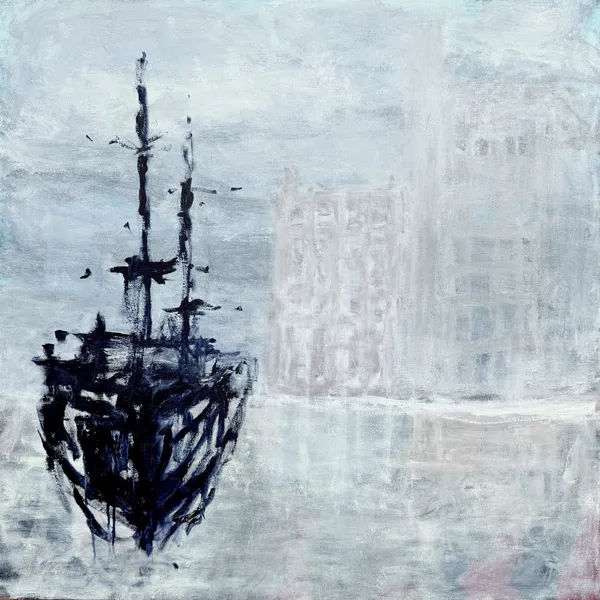
 Paul ConnorPort City, Evening, 2026gouache & acrylic on linen102 x 102 cm, 105 x 105 cm (framed)
 -
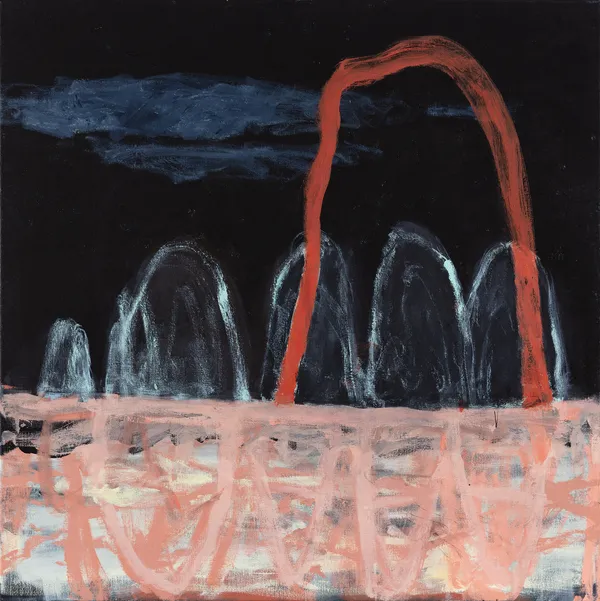
Paul ConnorDesert Owl (Ancient Inland Sea), 2025gouache & acrylic on linen102 x 102 cm, 105 x 105 cm (framed)
-
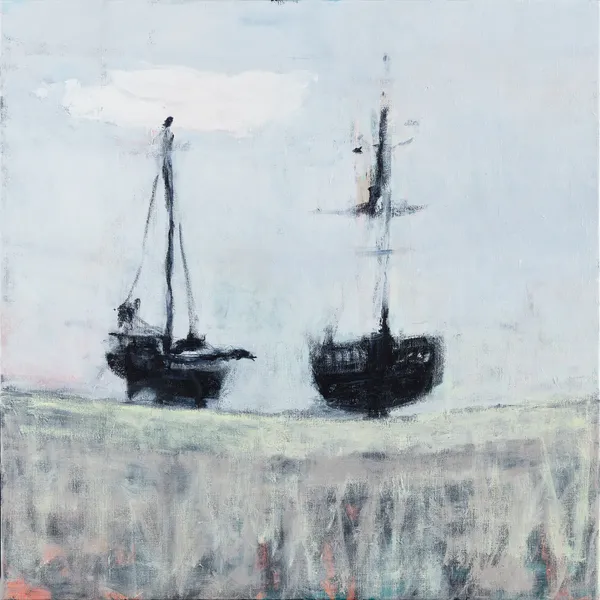
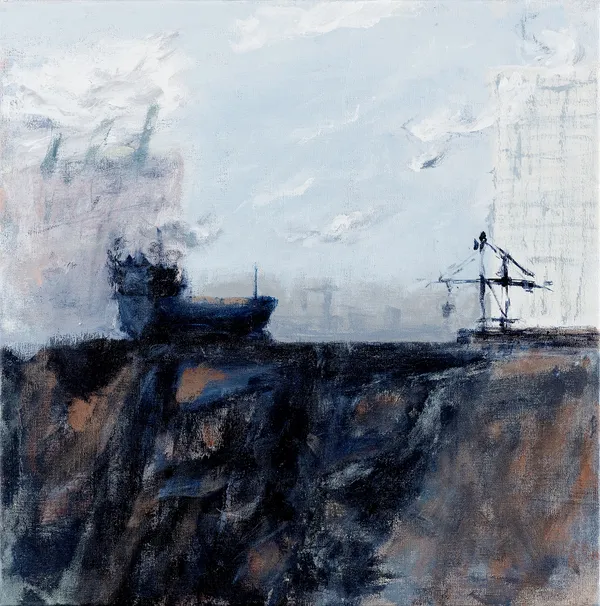
Paul ConnorGhost Ships, Horizon, 2026gouache & acrylic on linen102 x 102 cm, 105 x 105 cm (framed)
-
Paul ConnorEmbarking, High Seas, 2026gouache & acrylic on linen102 x 102 cm, 105 x 105 cm (framed)$6,400
-
Paul ConnorHarbour City (Edge of Wilderness), 2026gouache & acrylic on linen102 x 102 cm, 105 x 105 cm (framed)
-
Paul ConnorBlack Nor-Easter (Harbour), 2026gouache & acrylic on linen100 x 100 cm, 103 x 103 cm (framed)$6,400
-
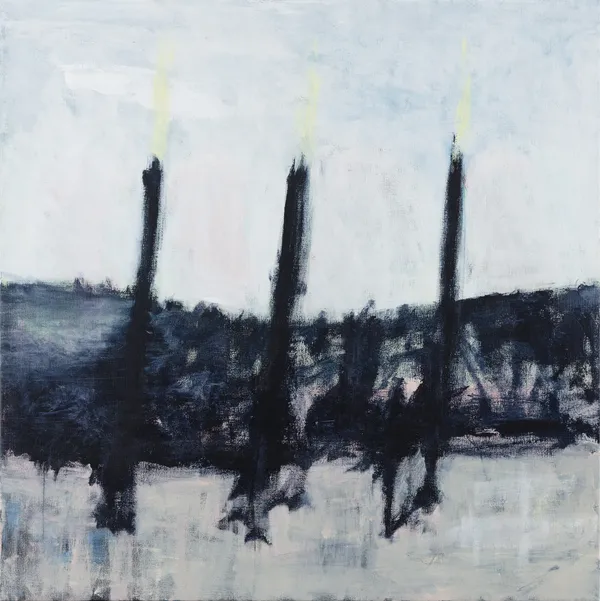
Paul ConnorThree Torches (Coast), 2025gouache & acrylic on linen102 x 102 cm, 105 x 105 cm (framed)$6,400
-
Paul ConnorRemnant Ancient Inland Sea, 2026gouache & acrylic on linen61 x 56 cm, 64 x 59 cm (framed)
-
Paul ConnorWinter Coast Sailing, 2026gouache & acrylic on linen61 x 56 cm, 64 x 59 cm (framed)$3,200
-
Paul ConnorHarbour’s Lilting Song, 2026gouache & acrylic on linen56 x 56 cm, 59 x 59 cm (framed)
-
Paul ConnorSea Breeze Harbour Dance , 2026gouache & acrylic on linen56 x 56 cm, 59 x 59 cm (framed)
-
Paul ConnorWild Ocean's Harbour, 2026gouache & acrylic on linen56 x 56 cm, 59 x 59 cm (framed)
-
Paul ConnorPort Song, 2026gouache & acrylic on linen56 x 56 cm, 59 x 59 cm (framed)
-
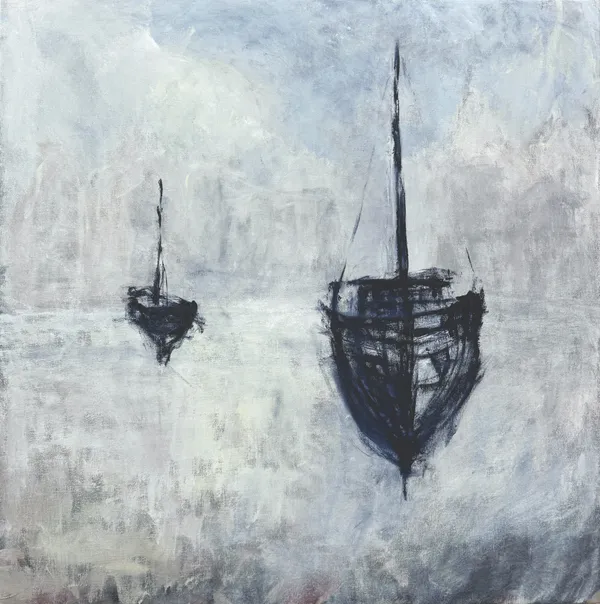
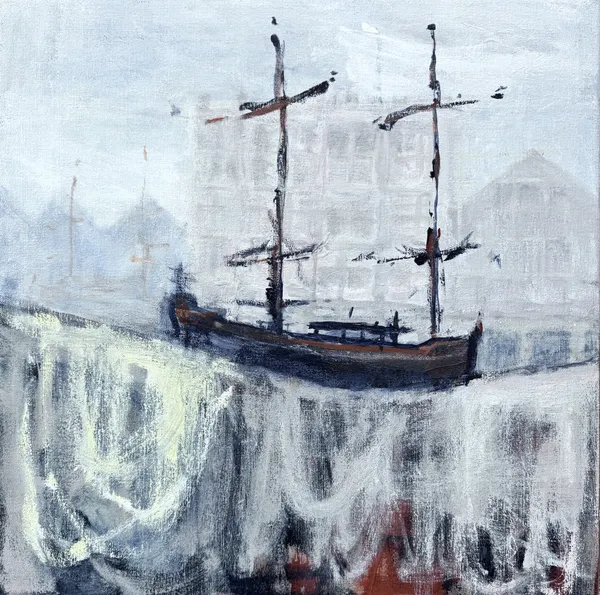
Paul ConnorGhost Skiff ’s Sea Passage, 2026gouache & acrylic on linen102 x 102 cm, 105 x 105 cm (framed)$6,400
-
Paul ConnorHarbour Mooring (Nor-Easter), 2026gouache & acrylic on linen56 x 56 cm, 59 x 59 cm (framed)
-
Paul ConnorMorning Harbour with Ghost Skiff, 2026gouache & acrylic on linen102 x 102 cm, 105 x 105 cm (framed)
-
Paul ConnorEmbarking, 2026gouache & acrylic on linen56 x 56 cm, 59 x 59 cm (framed)
-
Paul ConnorShip Percussion, 2026gouache & acrylic on linen56 x 56 cm, 59 x 59 cm (framed)$3,200
-
Paul ConnorWinter Ocean Sailing, 2026gouache & acrylic on linen56 x 56 cm, 59 x 59 cm (framed)$3,200
-
Paul ConnorRough Passage, 2025gouache & acrylic on linen37 x 47 cm, 40 x 50 cm (framed)$2,200
-
Paul ConnorHorizon Ship (After the Fire), 2025gouache & acrylic on linen37 x 47 cm, 40 x 50 cm (framed)
-
Paul ConnorWinter Swell (After the Fire), 2025gouache & acrylic on linen37 x 47 cm, 40 x 50 cm (framed)
-
Paul ConnorSummer Swell (After the Fire), 2025gouache & acrylic on linen37 x 47 cm, 40 x 50 cm (framed)
-
Paul ConnorSummer Skiff , 2025gouache & acrylic on linen37 x 47 cm, 40 x 50 cm (framed)




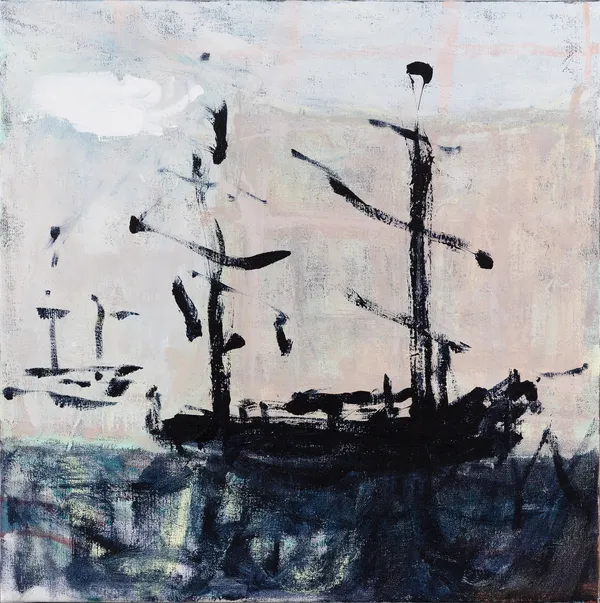
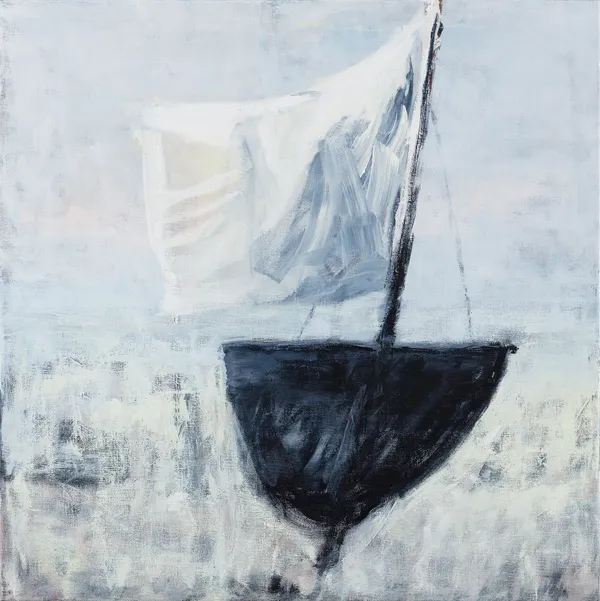

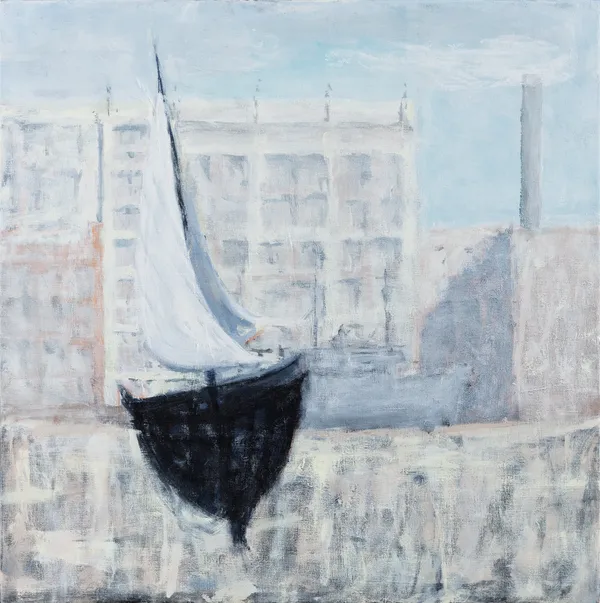
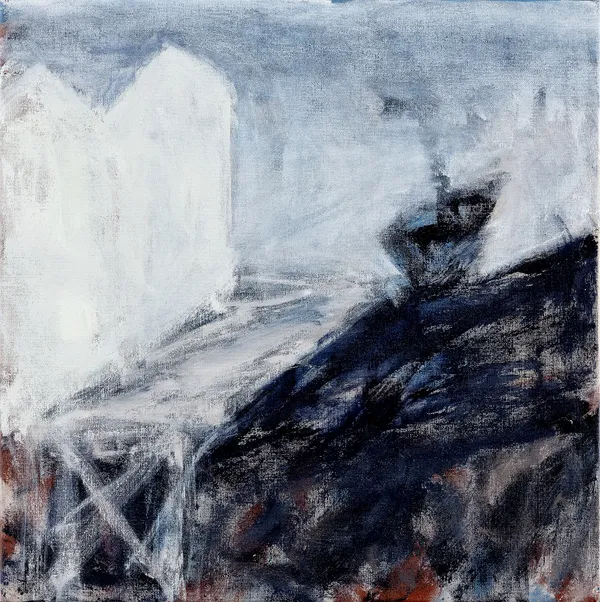

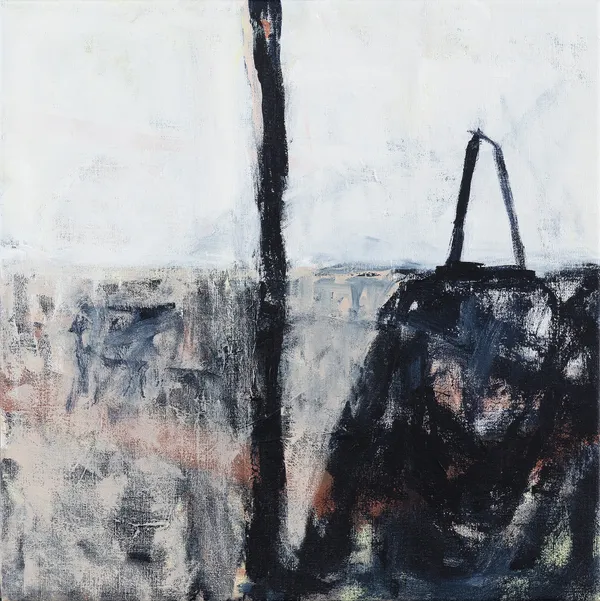
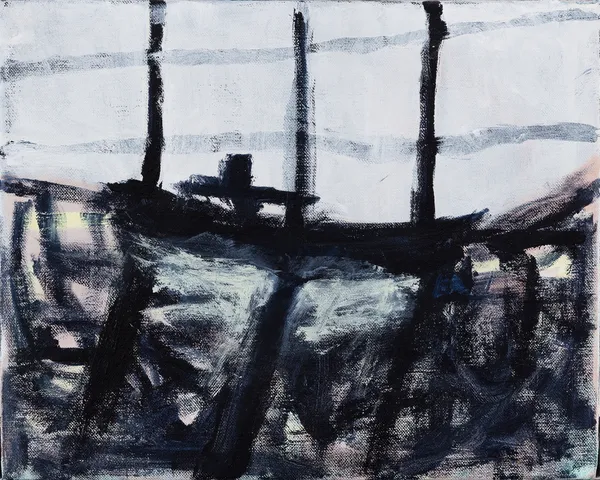
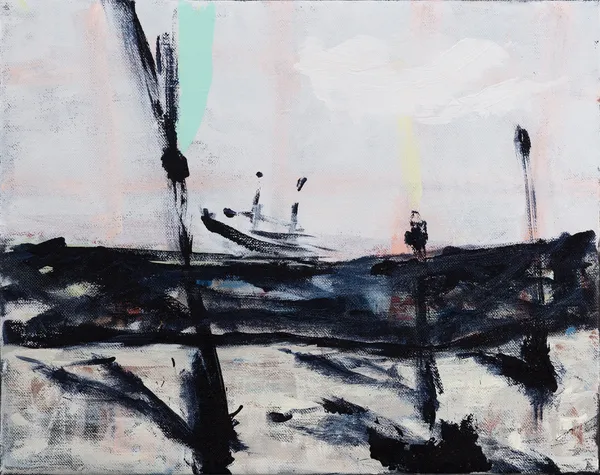
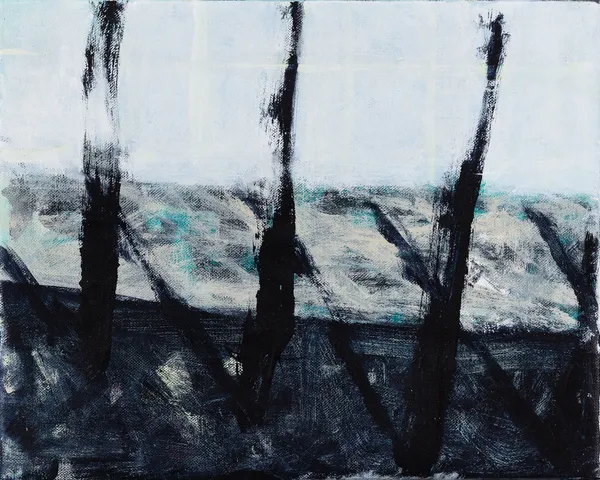
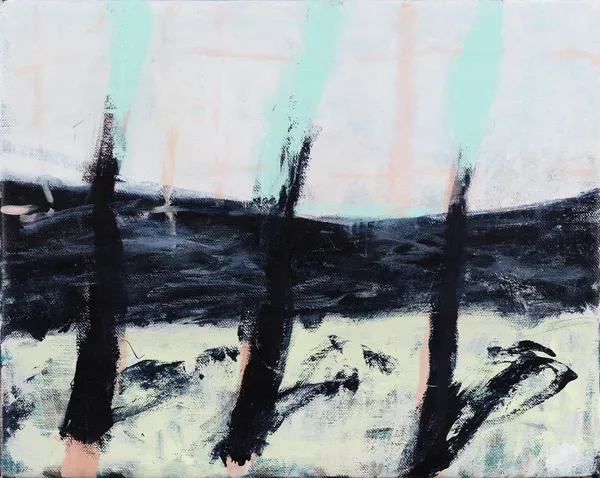
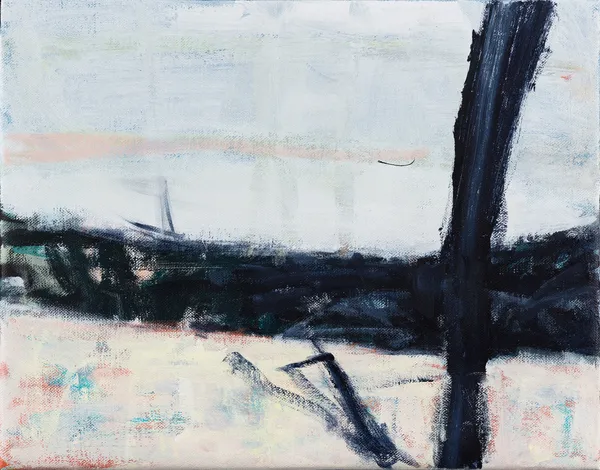
Sailors and poets have made much of the power of the mistral, the nor’wester that blows from the south of France into the northern Mediterranean. Yet, when Paul Connor visited Provence some years ago, he felt the mistral was just “a strong sea breeze,” one that could not compare to the sudden violence of the black nor’easters he had faced on Australia’s eastern seaboard.
“The idea of being alone and in weather” is one of the unifying elements that runs through Connor’s latest paintings in Ocean. It is an experience with which the artist is familiar. Raised on Sydney Harbour since his family returned to Australia from the United States in the late 1960s, Connor has kayaked and sailed for decades. He holds a reverence for maritime history and the achievements of sailors and explorers—he has even built boats, a meeting of sorts between his work as an architect and his love of the water.
As a painter, Connor worked for many years exclusively en plein air. Observation of the landscape remains an essential part of Connor’s practice—but, increasingly, he relies on what he calls his “memory bank” or “kit bag” of recollected images. The works in Ocean explore the idea of painting as intuition, each an opportunity for Connor to “evoke the emotion I’m remembering,” rather than as acts of representation.
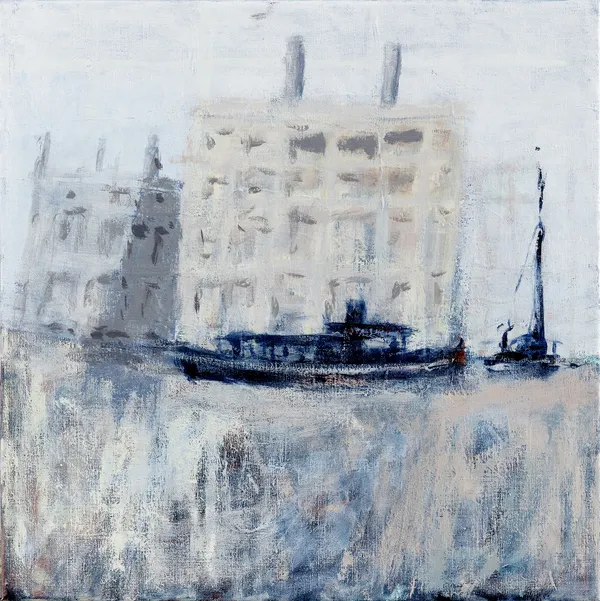
One visitor to Connor’s Leichhardt studio was convinced that one of the buildings in Harbour’s Lilting Song, 2026, was the Colgate Palmolive building in Balmain. It may be there, somewhere, filed away in Connor’s catalogue of forms. But the paintings in Ocean do not depict recognisable vantages from around the Harbour—rather, Connor’s subjects are the ocean and the weather themselves, and the feelings of wilderness and mystery that each evokes.
Material cues have guided this body of work. Using Golden paints—“pigment-rich, fast-drying and sticky”—on “linen of a certain gauge,” Connor has arrived at the ideal conditions to control the tempo as he works. Some paintings emerge quickly. Others are palimpsests, with as many as five completed paintings laying beneath a work’s final surface. More than mere revisions, each painting may be an entirely different subject. The layers beneath may reveal themselves (a glimpse of Fowler’s Gap, for example, beneath an ocean landscape, as in Remnant Ancient Inland Sea, 2026), or they may be wholly obscured. Only Connor—and the painting itself—retain the memory of what lies beneath, the piecing together of a story from “memories of different things at different stages.”
A student of painting and of art history, Connor describes his practice as an act of “worrying”—a keenness to get at something, whatever that may be. Equally, though, Connor understands the importance of letting a painting get away from conscious, deliberate actions, allowing the chance for the artist’s knowledge about painting and his intuition to arrive at something surprising.
There is a quote along these lines that Connor recalls from Philip Guston, in turn quoting what Guston was told by the composer John Cage:
“When you start working, everybody is in your studio—the past, your friends, enemies, the art world, and above all, your own ideas—all are there. But as you continue painting, they start leaving, one by one, and you are left completely alone. Then, if you’re lucky, even you leave.”
Connor is determined to “move away from the trappings of painting,” and speaks of his suspicion of art that is decorative, tangible or “skilful for its own sake.” There is, equally, an aversion in Connor’s paintings to anything that he sees as “too clever,” by which the artist means anything that causes him to “think about other people’s reactions.” When painting over earlier works, he speaks about the second-guessing involved when deciding to cover “a really nice bit.” But, says Connor, “it’s about being brave enough to lose the best bit,” avoiding sentiment or attachment in service of a better painting. It is far more important in his mind “to grab an idea and push it, to never be afraid to do something different.” Connor admires Guston, Chaïm Soutine and Ken Whisson—and his own father—as painters who achieved that resolve in their work.
Yet, again as a student of art history, Connor believes that as an artist, “you place yourself where you are.” For the present moment, that means coming to terms with a world of rising tides—politically unbalanced, socially tense, environmentally precipitous—all while living in a country that “clings to the rim,” with such a clearly defined sense of perimeter and interior. Connor relishes in the challenge of the unsafe harbour he has found in the compelling wilderness of the ocean. In so doing, he has created a suite of paintings that are, at once, primordial and contemporary.
Jack Howard, February 2026
